





Heart's Emotional Spectrum
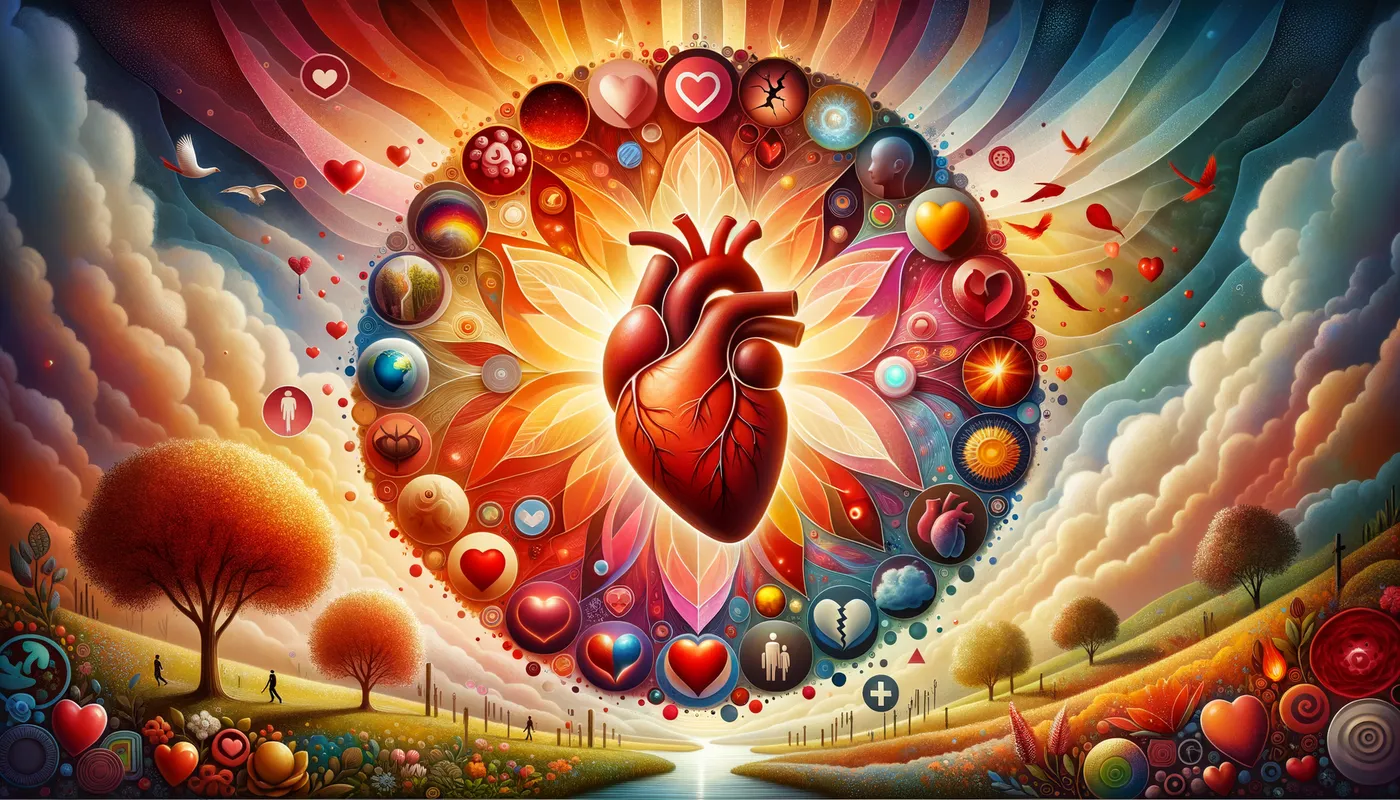
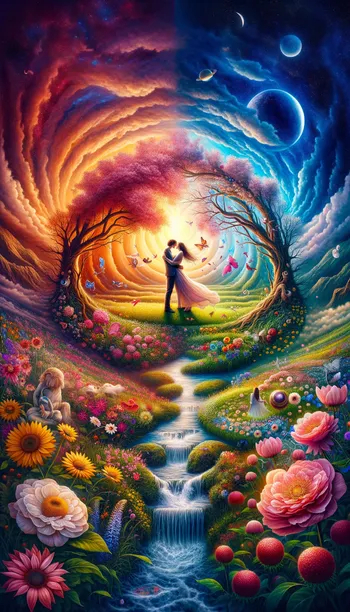
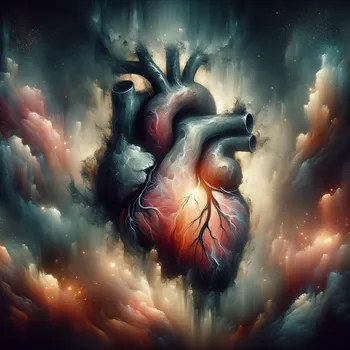
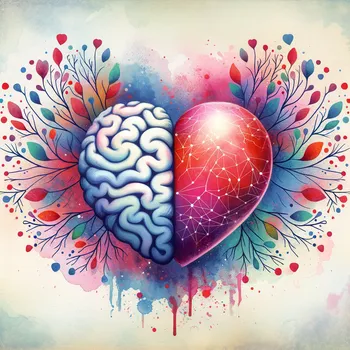
Create a vibrant and evocative image that captures the essence of the heart as a symbol of emotions and feelings. The composition should emphasize the following keywords: 1. **Heart**: The central element of the image should be a stylized and visually striking heart, which can be represented in various forms: realistic, abstract, or even with natural elements. The heart should convey warmth and vitality. 2. **Emotions**: Surround the heart with icons or visual representations of different emotions, such as joy, sadness, love, anger, and peace. Use different colors for each emotion, creating a vibrant palette that represents the emotional diversity of the human experience. 3. **Feelings**: Incorporate elements around the heart that symbolize feelings, such as people interacting, broken hearts, smiles, or tears. This can be done through silhouettes or ethereal figures, reinforcing the connection between the heart and human feelings. 4. **Sources of Life**: Add natural elements, such as a robust tree or a flowing stream, that represent the sources of life. These elements should be connected to the heart, symbolizing how emotions and feelings stem from lived experiences and the environment around us. 5. **Environment**: The background of the image should be a setting that suggests a tranquil and welcoming environment, such as a serene sunset, a blooming field, or a magical forest, which complements and enhances the visual message. 6. **Artistic Style**: Opt for a style that combines realism and surrealism, allowing the image to convey both the tangible beauty of life and the complexities of human emotions. Using soft textures and warm colors can help create a sense of warmth and connection. --- **Expected Result**: An impactful image that visualizes the heart as the epicenter of emotions and feelings, harmoniously integrated with the sources of life, inviting deep reflection on the human condition.