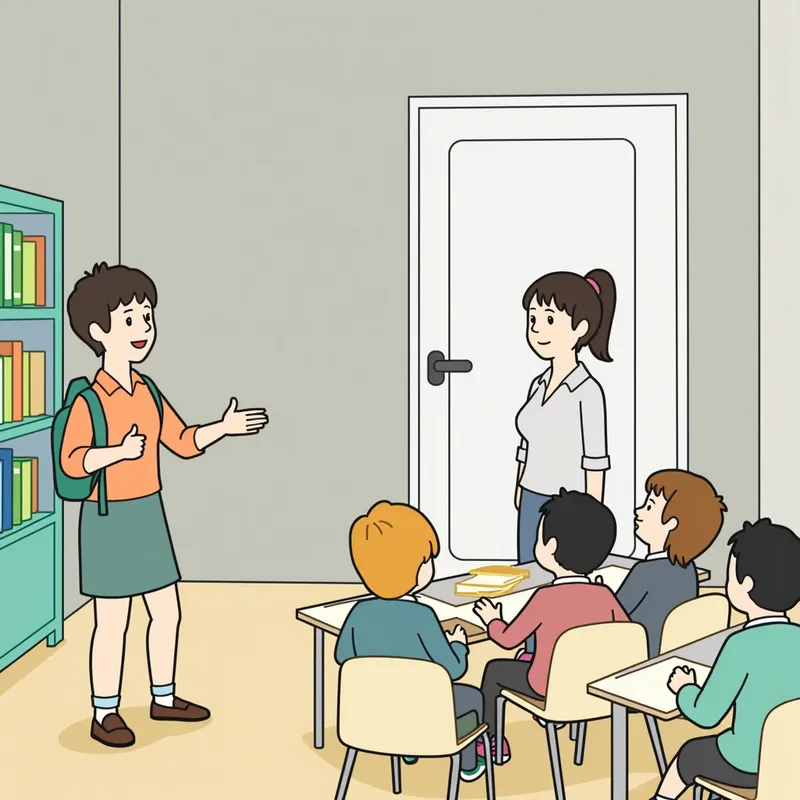

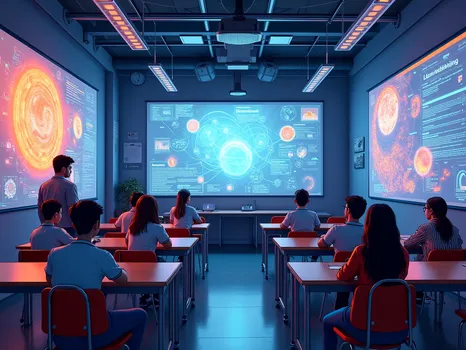

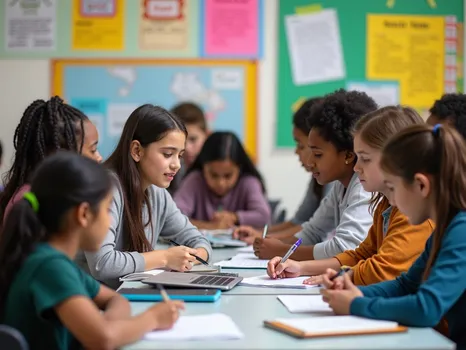
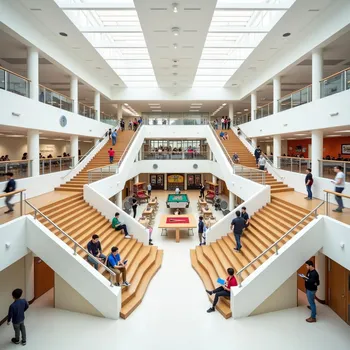
School Synergy & Structure - AI Generated Image with Photorealistic 2

School Synergy & Structure - School Center Organization: Structure and Communication Channels
1. Management Team
The management team of the school consists of key figures who coordinate and manage the activities and projects of the center. This team includes:

Headmaster
Head of Studies
Secretary
Deputy Head
Additionally, Educational Innovation (BeAtarrak) collaborates closely with the management team, with one of the BeAtarrak being the Deputy Head. The management team meets weekly with the BeAtarrak to coordinate the projects and activities of the center.

Communication Channels:

Weekly meetings between the management team and the BeAtarrak.
Close coordination with project leaders.
2. Educational Projects at the School
The projects developed at the school have an integral focus aligned with the Sustainable Development Goals (SDGs), in addition to promoting coexistence and inclusion. These projects are:

Bizikasi: Promotes a school environment free from bullying and fosters positive coexistence.
Eraldatzen: Improves educational success with an inclusive approach.
Hezkidetza: Ensures an equal space and prevents gender-based violence.
Language Project: Promotes the use of Basque in school life.
STEAM Euskadi Strategy: Promotes education in science, technology, engineering, art, and mathematics.
Agenda 2030 Escolar – Culture of Sustainability: Educates in sustainability and ecological action.
Hedatze: Improves educational quality and organizes school time.
Erasmus+: Internationalizes education and improves language skills.
3. Working Groups and Projects (BODI)
Projects are managed through working groups called BODI, made up of teachers from different subject areas. Each project has a project leader who leads the activities.

Weekly meetings within each group to organize activities and prepare actions.
Coordination sessions weekly between project leaders and the BeAtarrak to report on progress and discuss common goals.
Communication Channels:

Weekly meetings between project leaders and the BeAtarrak.
Monthly meeting with the department heads to coordinate projects at the institutional level.
4. Subject Departments
The teaching staff at the center is organized into 12 departments based on the subjects they teach:

Spanish Language and Literature / Latin
Basque Language and Literature
English / French
Geography and History / Economics / Religion
Philosophy
Physical Education
Mathematics
Physics and Chemistry
Biology and Geology
Technology / Digitalization
Visual Arts, Plastic Arts, and Music
Vocational Training and Career Orientation (FOL)
Additionally, there is a Pharmacy Vocational Training Cycle and a Guidance Department.

Communication Channels:

Weekly meetings between department heads.
Monthly meeting with the BeAtarrak to integrate the progress of educational projects.
5. Guidance Department
The guidance department plays a key role in managing students with special educational needs and the tutoring plan. Additionally:

Weekly meetings with support teachers.
Weekly meetings with tutors of each grade (1st ESO, 2nd ESO, etc.).
The Head of Studies and Deputy Head attend these meetings to coordinate community projects.
Communication Channels:

Weekly meeting with support teachers.
Weekly meeting with grade tutors to coordinate projects and ensure the implementation of the tutoring plan.
6. Synergies and Additional Collaboration
A member of the Guidance Department attends the weekly meetings of BeAtarrak and project leaders to look for synergies and support the management of educational projects.
A member of the Guidance Department is responsible for "Emotional Well-being" and manages, together with the BAT team, the protocols from the Basque Government Department regarding student emotional well-being. - AI image generated with Photorealistic 2

School Synergy & Structure

School Center Organization: Structure and Communication Channels 1. Management Team The management team of the school consists of key figures who coordinate and manage the activities and projects of the center. This team includes: Headmaster Head of Studies Secretary Deputy Head Additionally, Educational Innovation (BeAtarrak) collaborates closely with the management team, with one of the BeAtarrak being the Deputy Head. The management team meets weekly with the BeAtarrak to coordinate the projects and activities of the center. Communication Channels: Weekly meetings between the management team and the BeAtarrak. Close coordination with project leaders. 2. Educational Projects at the School The projects developed at the school have an integral focus aligned with the Sustainable Development Goals (SDGs), in addition to promoting coexistence and inclusion. These projects are: Bizikasi: Promotes a school environment free from bullying and fosters positive coexistence. Eraldatzen: Improves educational success with an inclusive approach. Hezkidetza: Ensures an equal space and prevents gender-based violence. Language Project: Promotes the use of Basque in school life. STEAM Euskadi Strategy: Promotes education in science, technology, engineering, art, and mathematics. Agenda 2030 Escolar – Culture of Sustainability: Educates in sustainability and ecological action. Hedatze: Improves educational quality and organizes school time. Erasmus+: Internationalizes education and improves language skills. 3. Working Groups and Projects (BODI) Projects are managed through working groups called BODI, made up of teachers from different subject areas. Each project has a project leader who leads the activities. Weekly meetings within each group to organize activities and prepare actions. Coordination sessions weekly between project leaders and the BeAtarrak to report on progress and discuss common goals. Communication Channels: Weekly meetings between project leaders and the BeAtarrak. Monthly meeting with the department heads to coordinate projects at the institutional level. 4. Subject Departments The teaching staff at the center is organized into 12 departments based on the subjects they teach: Spanish Language and Literature / Latin Basque Language and Literature English / French Geography and History / Economics / Religion Philosophy Physical Education Mathematics Physics and Chemistry Biology and Geology Technology / Digitalization Visual Arts, Plastic Arts, and Music Vocational Training and Career Orientation (FOL) Additionally, there is a Pharmacy Vocational Training Cycle and a Guidance Department. Communication Channels: Weekly meetings between department heads. Monthly meeting with the BeAtarrak to integrate the progress of educational projects. 5. Guidance Department The guidance department plays a key role in managing students with special educational needs and the tutoring plan. Additionally: Weekly meetings with support teachers. Weekly meetings with tutors of each grade (1st ESO, 2nd ESO, etc.). The Head of Studies and Deputy Head attend these meetings to coordinate community projects. Communication Channels: Weekly meeting with support teachers. Weekly meeting with grade tutors to coordinate projects and ensure the implementation of the tutoring plan. 6. Synergies and Additional Collaboration A member of the Guidance Department attends the weekly meetings of BeAtarrak and project leaders to look for synergies and support the management of educational projects. A member of the Guidance Department is responsible for "Emotional Well-being" and manages, together with the BAT team, the protocols from the Basque Government Department regarding student emotional well-being.

Photorealistic 2, Size: 1024 x 1024
 3 Likes
 27 Views
⭐⭐⭐⭐⭐
I was amazed by Tangra's image quality. It's like magic how well it gets what I have in mind

Similar AI-Generated Images

Discover more images created with similar styles, themes, and AI models


Frequently Asked Questions

Can I use the AI-generated images commercially?

Yes. All images created with Tangra AI are copyright-free and fully approved for commercial use, with no attribution required.

What AI models are used to create these images?

Tangra AI uses a curated mix of the best-performing industry models like Flux, DALL·E, Imagen, Nano Banana, and Stable Diffusion alongside our own proprietary models to deliver consistently high-quality, production-ready images.

Can I edit the images after they are generated?

Yes. Tangra AI includes powerful editing tools that let you refine and adjust your images after they're generated.