



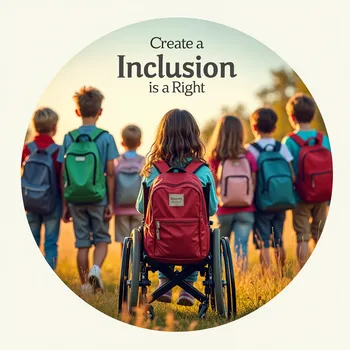

Inclusive Diversity Map
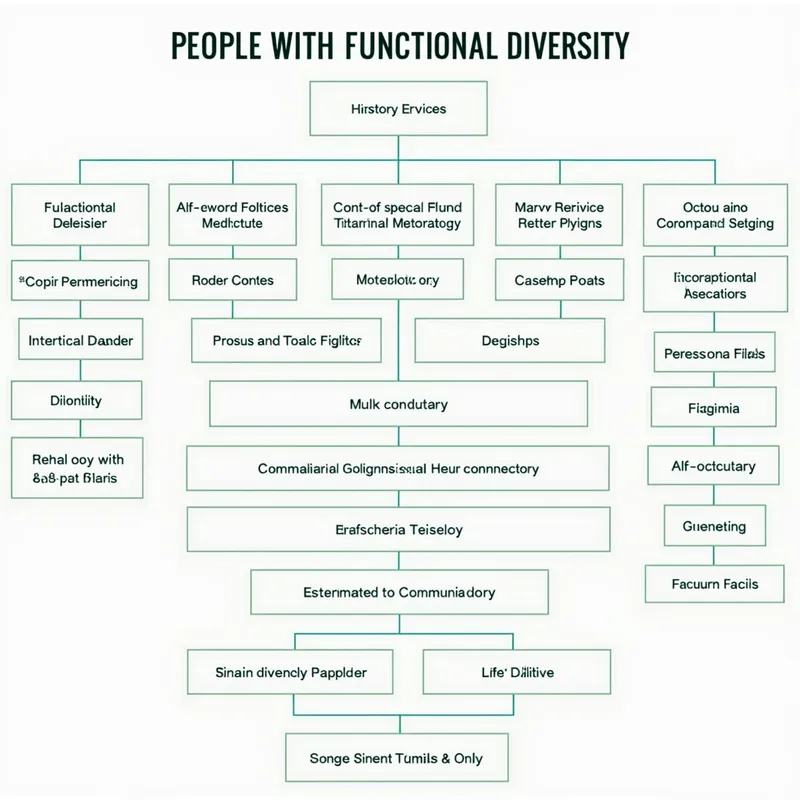
Create a concept map with all this information. Here is an expanded concept map based on the document's content. I will organize it in hierarchical levels for better understanding. ⸻ PEOPLE WITH FUNCTIONAL DIVERSITY 1. Concept and Approaches 1.1. Definition of Functional Diversity • Focuses on differences in physical, mental, or sensory functioning as natural. • Social approach: Adapting the environment for inclusion. • Opposes the traditional view of disability as a limitation. 1.2. Differences with Disability • Functional Diversity: Highlights abilities and rights, removes stigma. • Disability: Medical approach, focused on deficiencies and dependency. 1.3. Independent Living Programs • Objective: Autonomy and community participation. • Principles: • Self-determination. • Personalized support. • Inclusion and accessibility. • Social participation. • Philosophical Pillars: • All life has value. • Everyone can make decisions. • Society must adapt to diversity. ⸻ 2. Historical Evolution 2.1. Perspectives Over Time • Antiquity: Religious explanation, isolation. • 20th Century: Predominance of the medical-rehabilitative model. • Post-war (Welfare State): Services and social rights. • 1982 (Spain): Law on Social Integration of the Disabled (LISMI). • 1990s: Social inclusion as a priority goal. • 21st Century: • Concept of "functional diversity" proposed by Javier Romañach. • Focus on rights and barrier removal. • COVID-19 Pandemic (2020): Impact on essential services and resource access. • 2024 Data: • 4.9% growth in the population with functional diversity. • Predominance of physical functional diversity. ⸻ 3. Factors Influencing Functional Diversity 3.1. Personal Factor • Biology and genetics: Predisposition to specific conditions. • Age and gender: Risk of certain disabilities increases with age. • Lifestyle: Protective or risk factors. 3.2. Contextual Factor • Social and family environment: Support and integration. • Sociocultural attitudes: Society's perceptions. • Public policies: Accessibility and rights. ⸻ 4. Characterization of Functional Diversity 4.1. Affected Areas • Cognitive: Difficulties in perception and learning. • Psychomotor: Coordination and mobility problems. • Language: Disorders in expression and comprehension. • Affective: Low frustration tolerance and social difficulties. • Adaptive: Need for support for autonomy. ⸻ 5. Types of Functional Diversity 5.1. Sensory Diversity • Visual: • Blindness, visual impairment. • Impact on orientation and communication. • Auditory: • Deafness, hearing loss. • Sign language as an alternative. • Deafblindness: Combination of auditory and visual impairments. 5.2. Motor Diversity • Muscular conditions: Myopathies, osteopathies. • Neurological diseases: • Cerebral palsy. • Neurodegenerative diseases (Alzheimer's, Parkinson's). • Classification by paralysis: • Monoplegia, hemiplegia, paraplegia, tetraplegia. 5.3. Intellectual Diversity • Difficulties in cognitive and adaptive functioning. • Examples: • Down syndrome. • Autism. ⸻ 6. Needs and Supports 6.1. Main Needs • Autonomy: Mobility, daily activities. • Communication: Alternatives like braille or sign language. • Socio-affective: Integration and emotional support. • Educational and employment: Adaptations in training and employment. 6.2. Types of Supports • Intermittent: Occasional. • Limited: In certain stages. • Extensive: Continuous in some areas. • Pervasive: Permanent and in multiple aspects. ⸻ 7. Inclusion Environments 7.1. Educational • Inclusive schools: Curricular adaptations and support teachers. • Special education centers: For specific needs. 7.2. Family • Emotional support and acceptance. • Home adaptation: Ramps, adapted bathrooms. 7.3. Employment • Employment with adaptations: Reasonable adjustments. • Special employment centers: Guaranteed inclusion. • Telework and flexibility: Options for labor integration. 7.4. Social and Sociocultural • Accessibility in public spaces. • Inclusive sports and leisure. • Representation in media and art. ⸻ 8. Barriers to Inclusion 8.1. Psychosocial • Prejudices and discrimination. • Low self-esteem due to stigmatization. 8.2. Cultural • Beliefs that limit the perception of their abilities. • Inequality of opportunities. 8.3. Physical • Lack of accessible infrastructure (ramps, signage, adapted transportation). ⸻ 9. Available Resources 9.1. Institutions and Organizations • Royal Board on Disability. • Spanish Center for Disability Documentation (CEDID). 9.2. Aid and Programs • Grants for personal autonomy. • Community inclusion projects. 9.3. Inclusive Technology and Employment • Assistance and geolocation devices. • Inclusive companies like Timpers (accessible fashion). ⸻ 10. Conclusion • Functional diversity is a concept based on inclusion and barrier removal. • It requires a comprehensive approach encompassing education, employment, accessibility, and human rights. • Society must ensure adequate supports to achieve full participation of people with functional diversity. ⸻ If you prefer a graphic concept map, let me know if you want it in an image or if you need a specific format.